Iterum Cloud Ground Control’s Fleet Management Platform
UAVs CONTROL & COMMAND SYSTEM
Description
Around the world, businesses are ramping up their use of uncrewed systems across daily operations. Autonomous drones, ground rovers and sea vessels are helping to not only reduce costs, but to also vastly improve workplace health and safety.
However, businesses that rely on drone technology, often own a diverse range of drones and payloads from different manufacturers, all usually incompatible. This lack of interoperability impedes rolling out multi-vehicle operations.
Platforms operating independently of each other, cannot deliver the benefits of a connected, coordinated fleet – benefits such as better situational awareness, improved transparency and optimized mission coordination.
The MavLink communication protocol directly addresses this issue. MavLink uses a common language to connect platforms across manufacturers, architecture and interfaces. By standardizing how different systems talk with each other, it facilitates communication (that is transmission of data) between system components such as autopilots, ground control stations and other peripherals.
Due to its open source nature and lightweight design, MavLink is easily customized and highly resource efficient. Additionally, it’s very reliable using features such as packet acknowledgement to ensure data is transmitted safely.
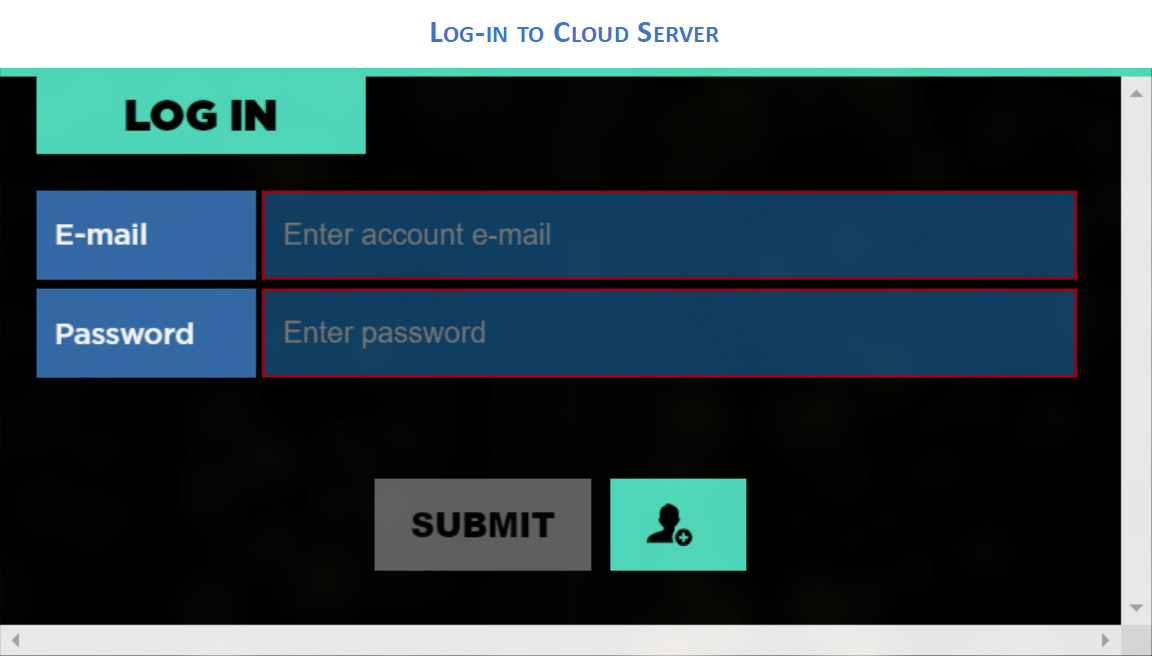
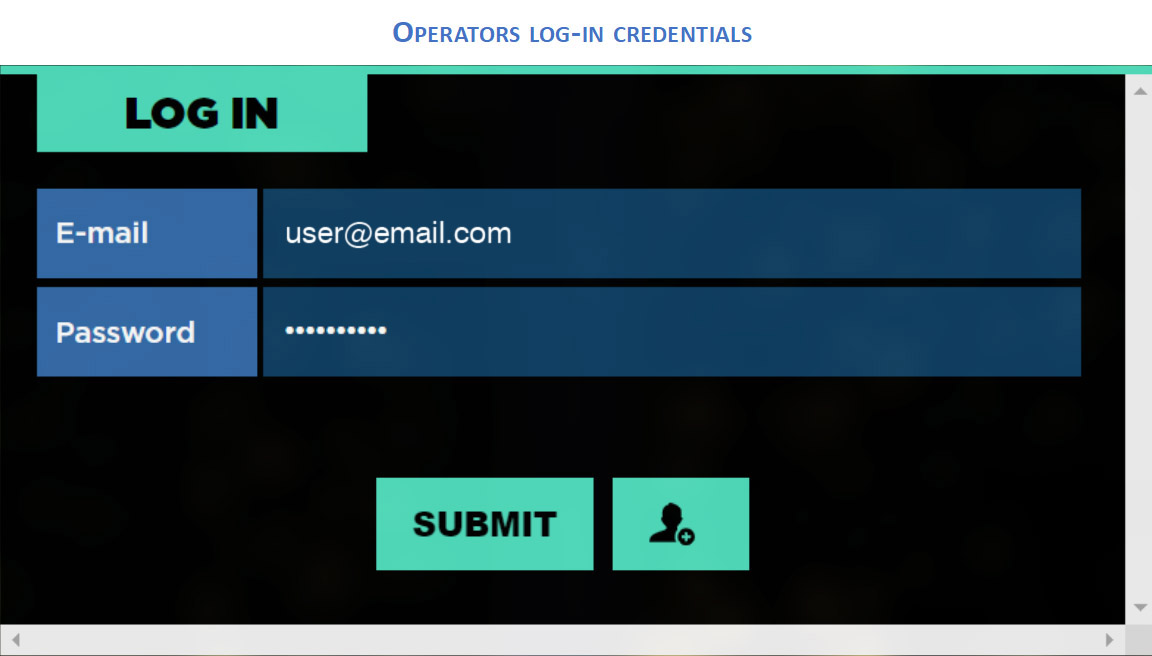
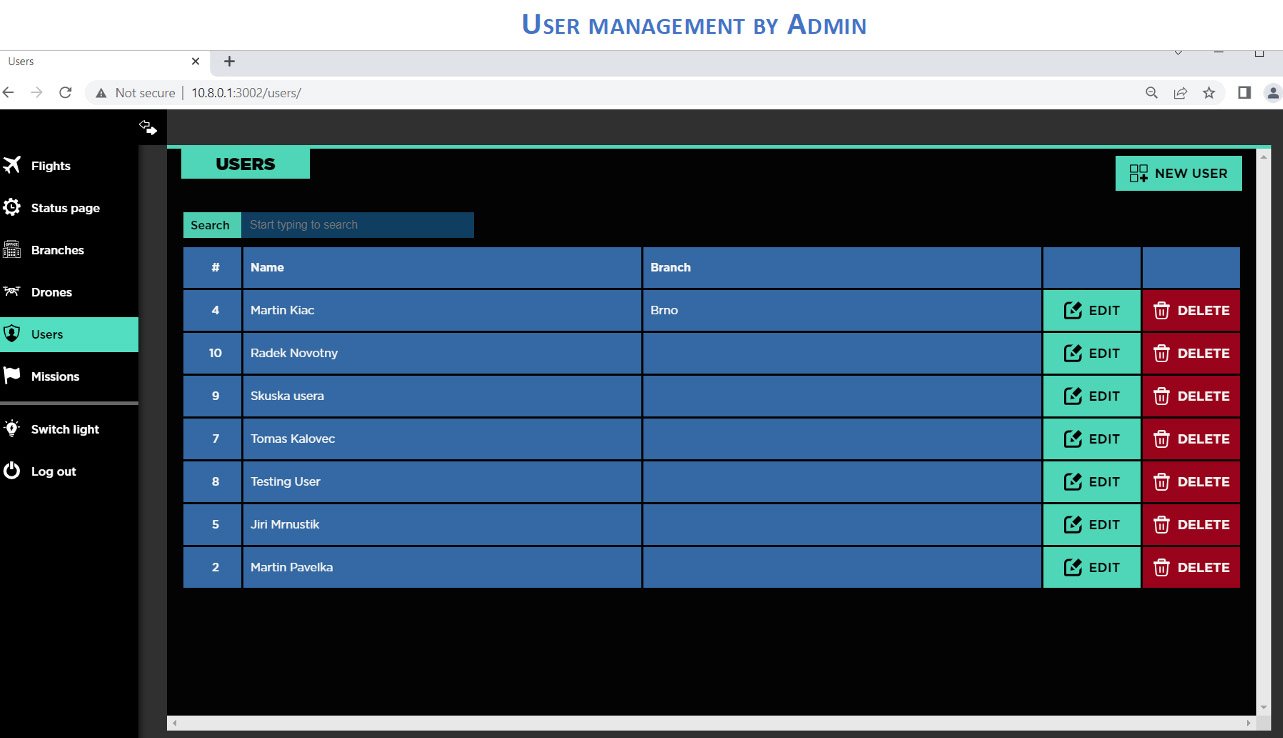
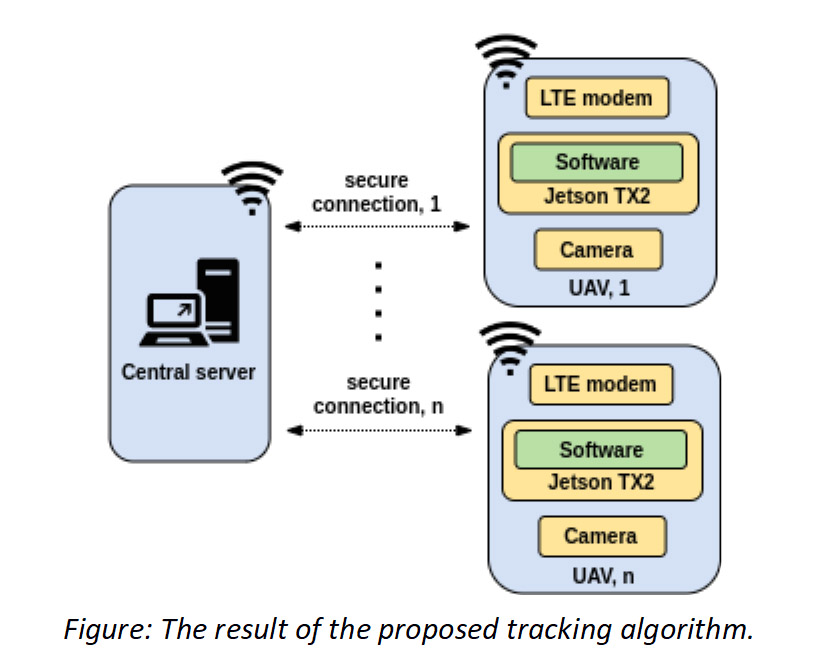
We have successfully introduced and demonstrated our own network for management of UAVs (unmanned aerial vehicles, drones) designed to enable long-distance autonomous and piloted flights beyond visual direct line visibility (BVLOS). The network is based on the communication of drones with a central Cloud server using 4G and 5G networks. Each an authorized operator can use a thin client (terminal, web browser) to control and check the drones that belong to him, or even entire squadrons (wings).
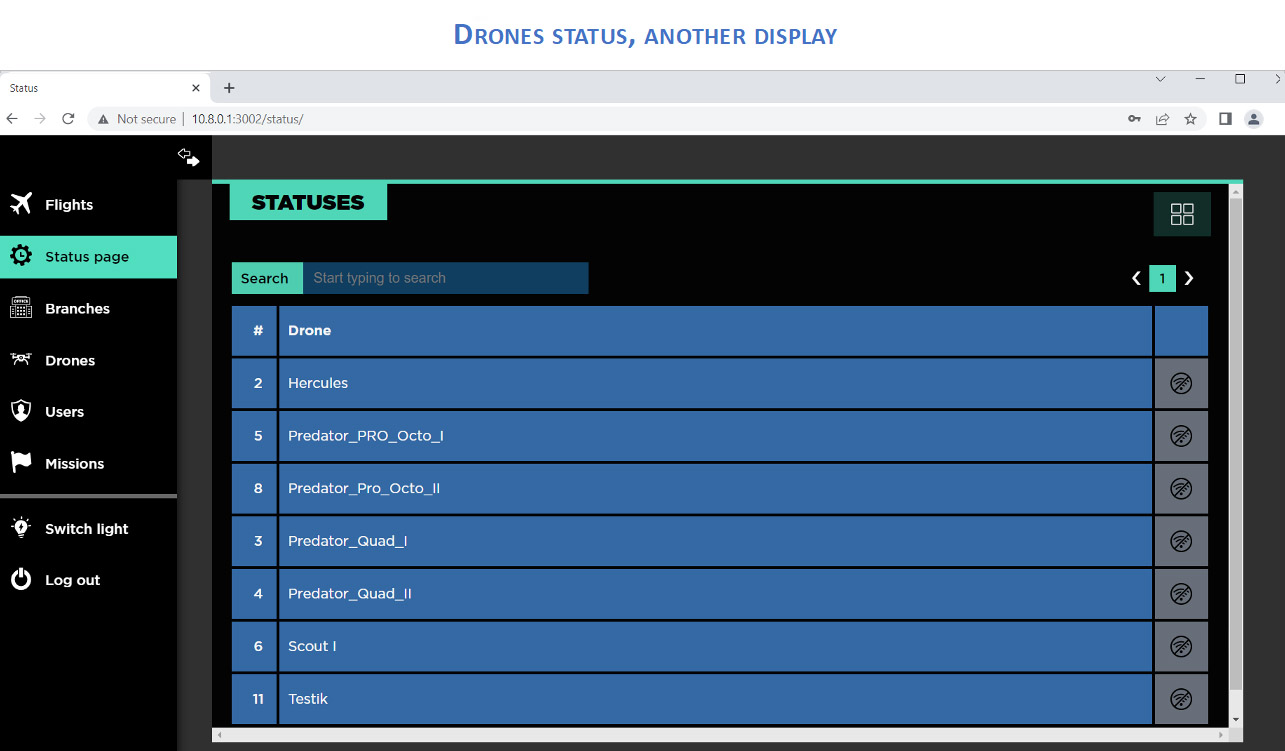
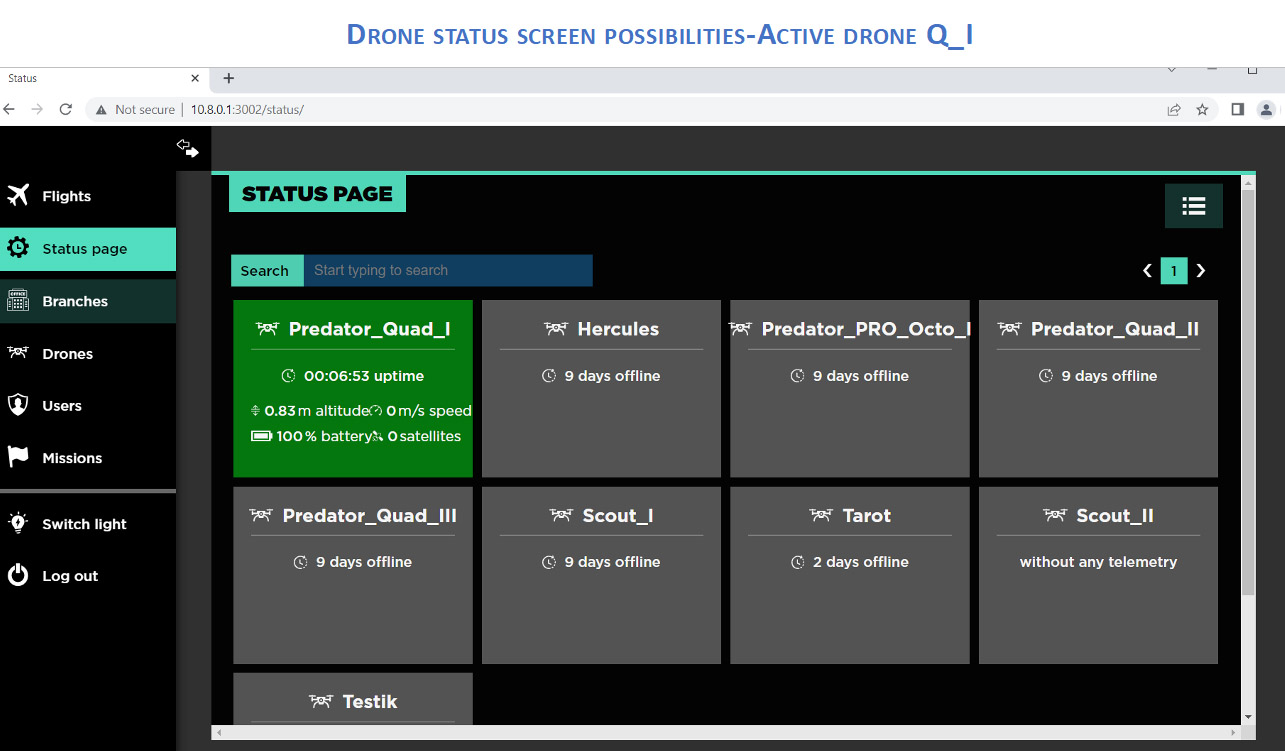
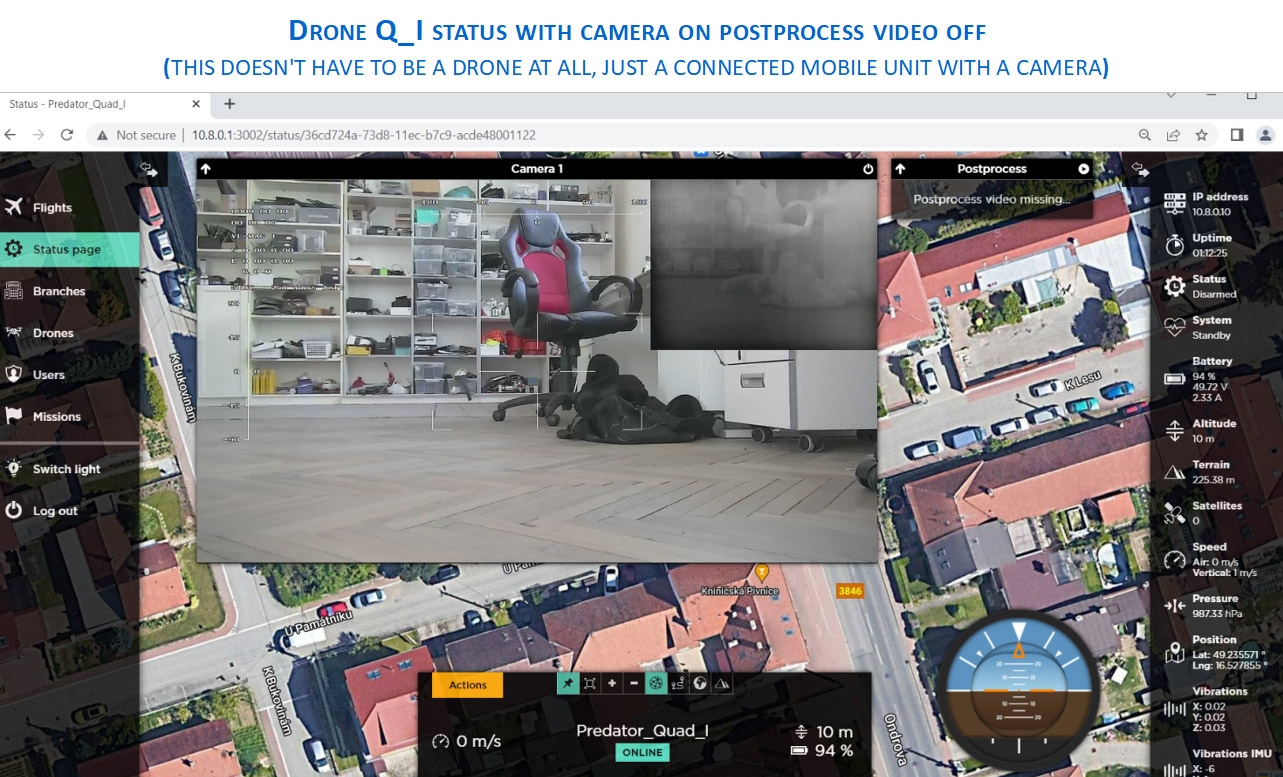
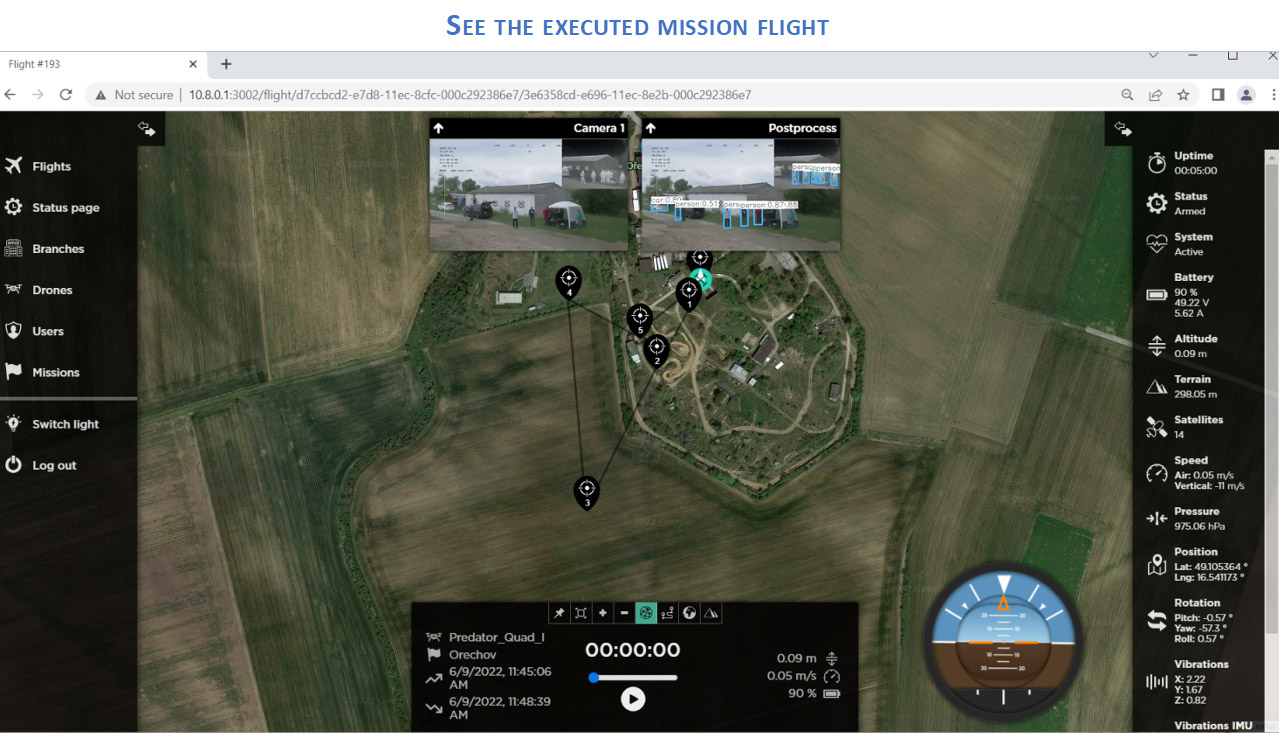
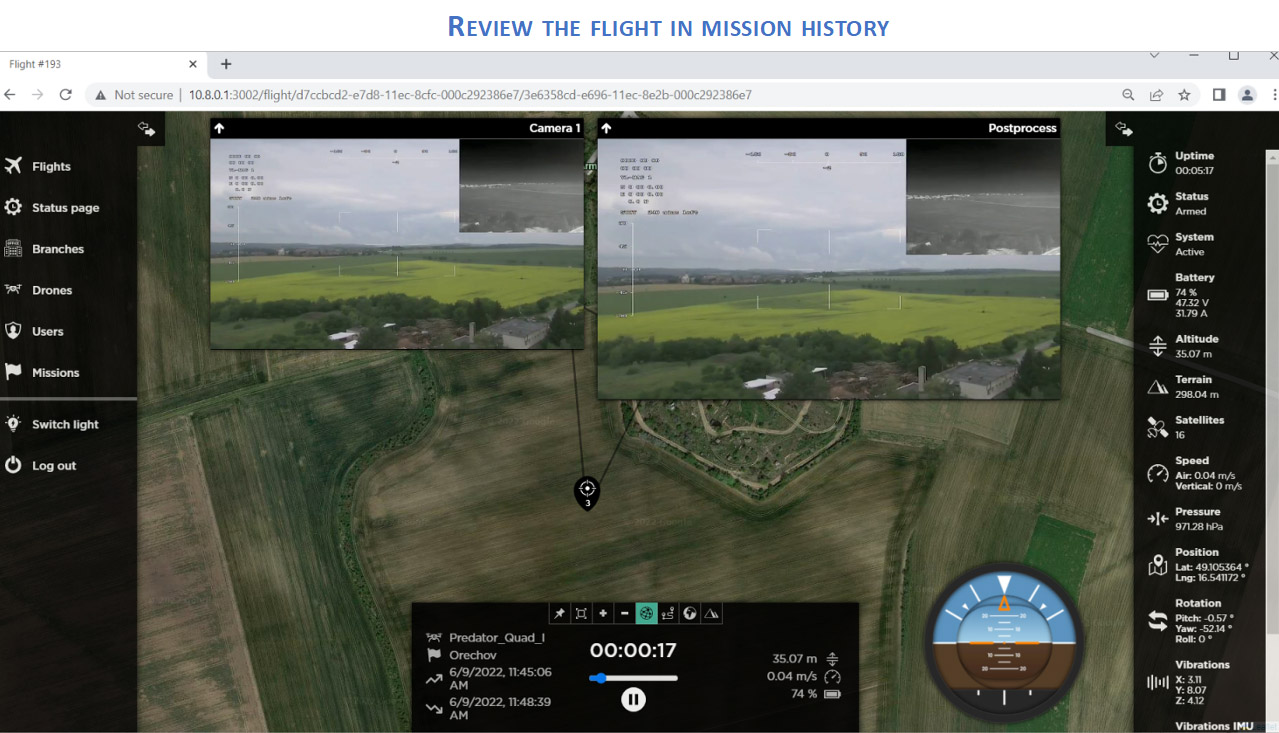
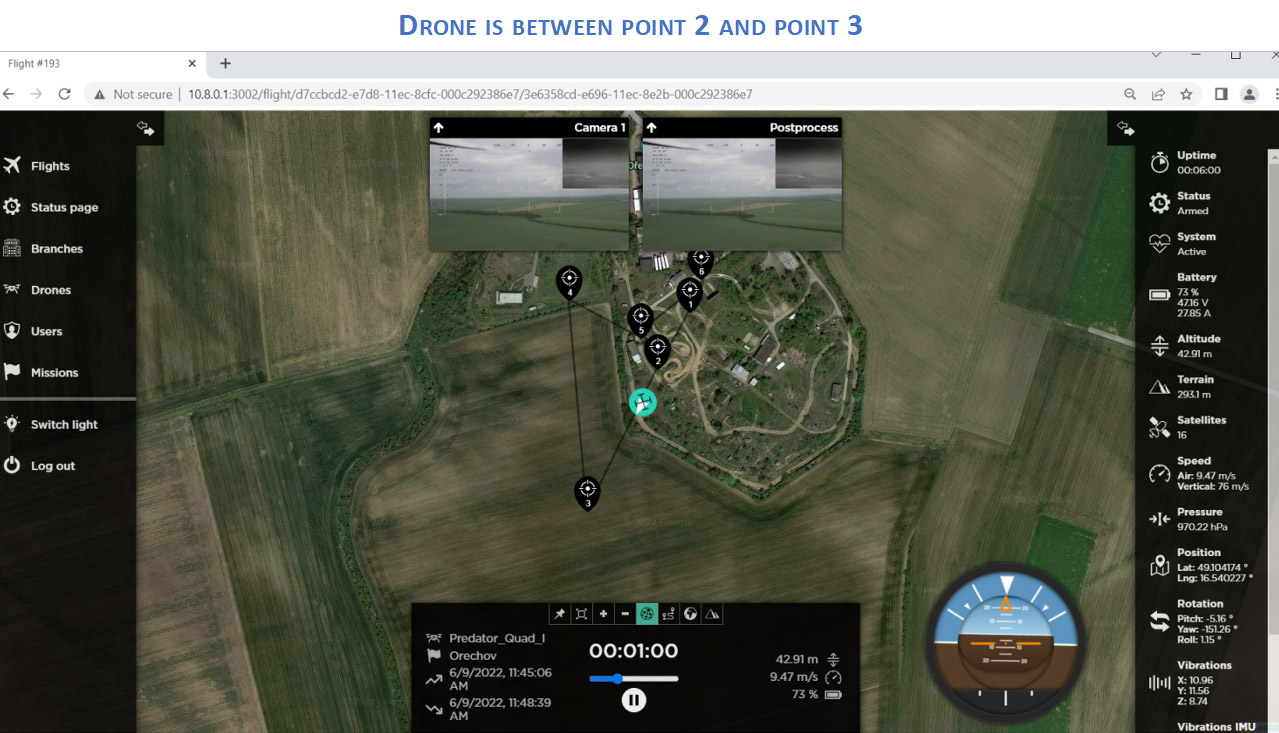
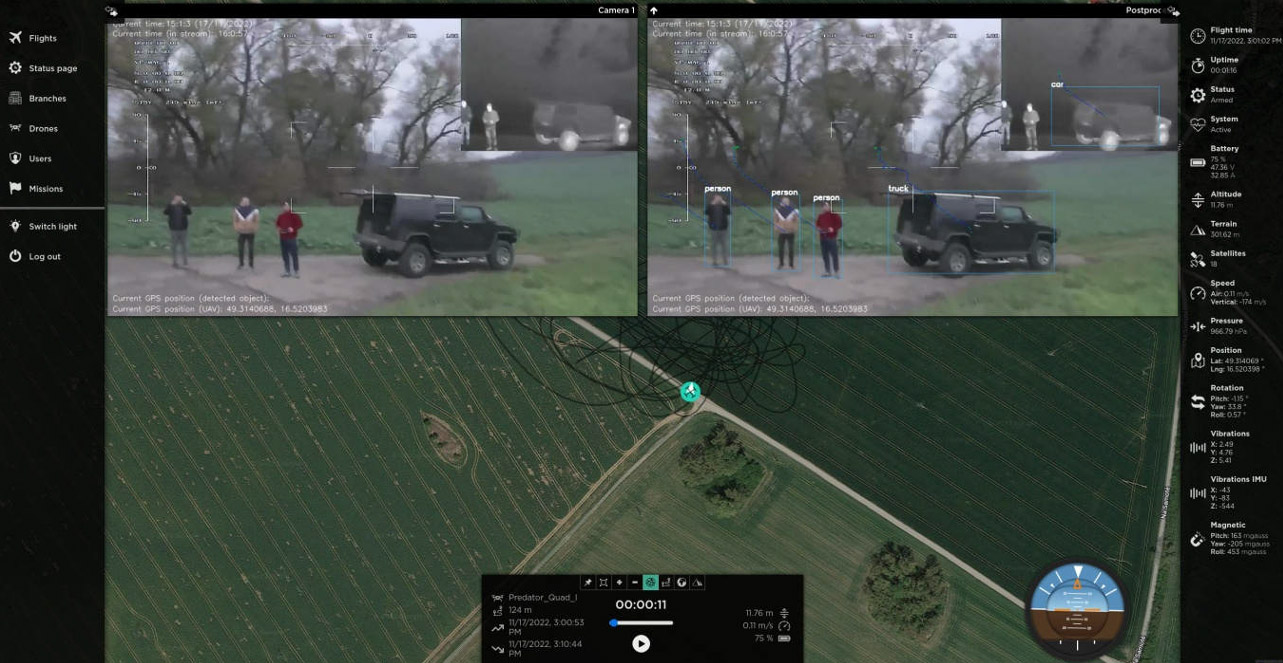
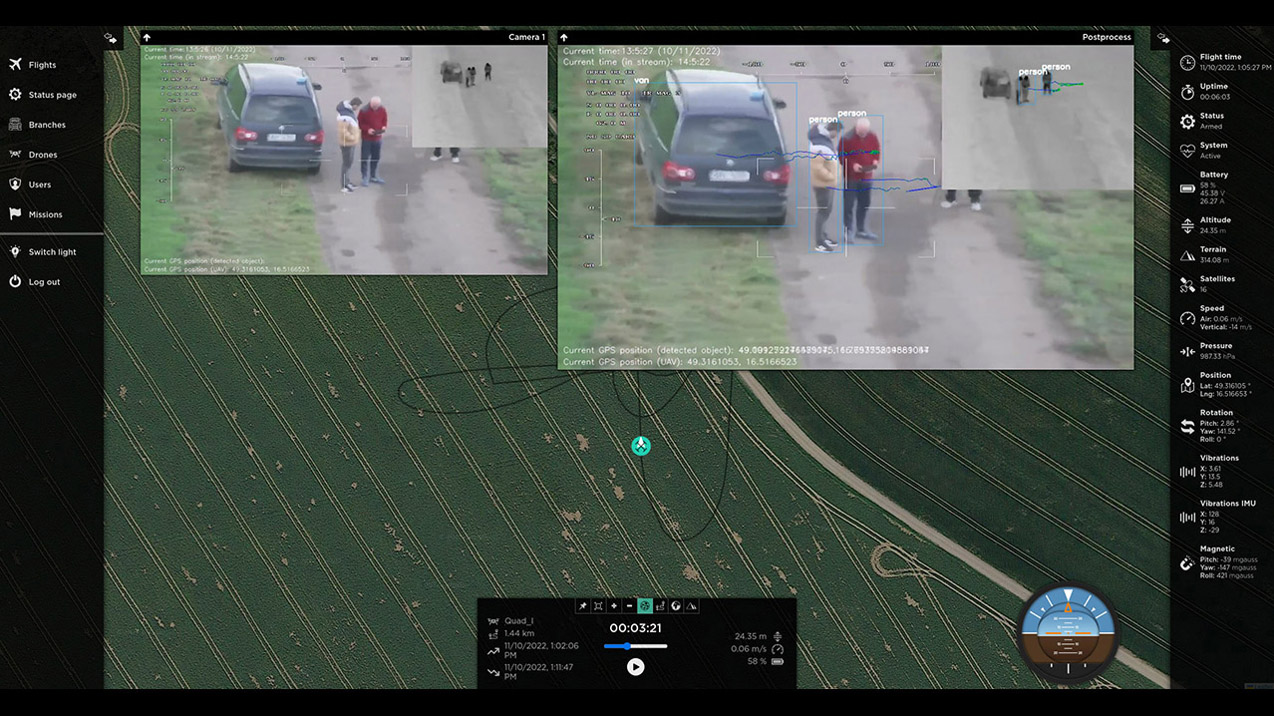
All telemetry data is transferred to the cloud, allowing the operator to track where the drone is located on the map, its status, battery life, and much more. It is also possible to transmit the image from the drone's camera (on the left side of the image) and at the same time, the operator is shown the same image processed by artificial intelligence, which allows it to detect and identify objects according to the learned database (on the right side of the image).
It is of course possible to turn off the display of video from the camera.
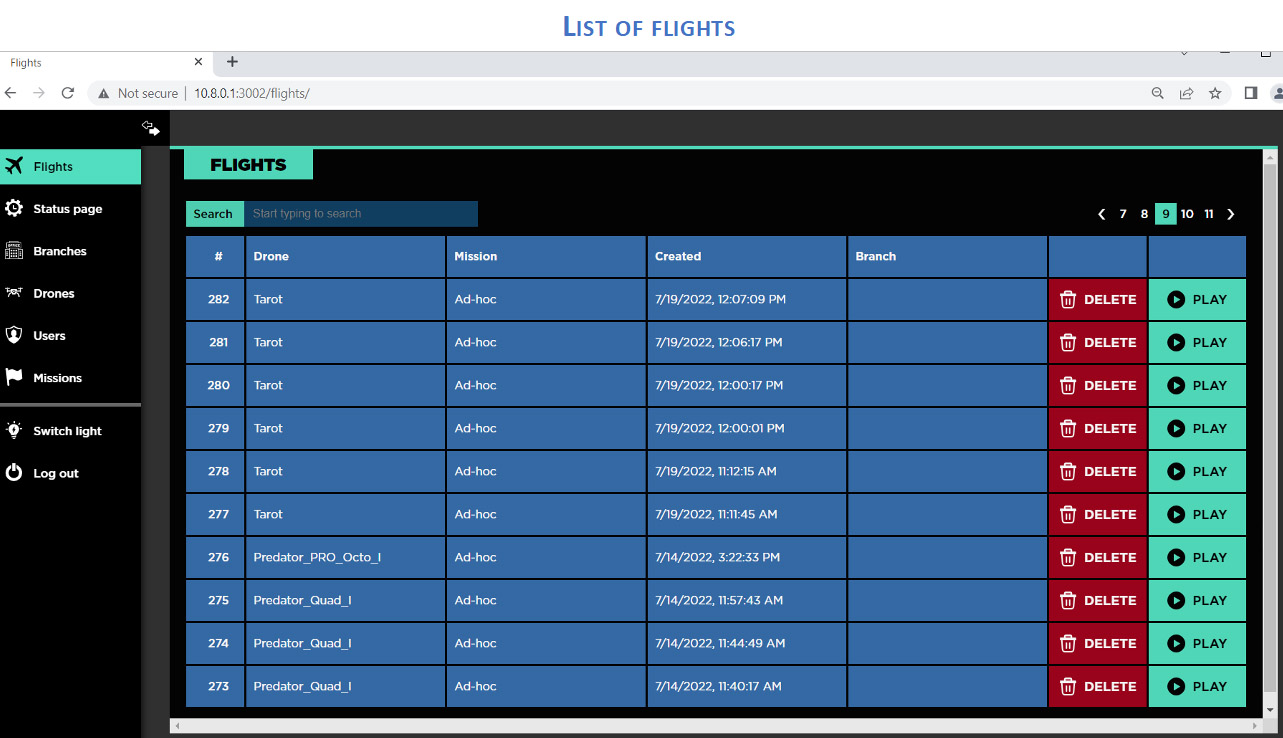
Everything is saved on the server and the operator can replay the entire flight at any time.
Screens Cloud Server
The management of drones and drone fleets is an important part of the entire infrastructure.
The overall structure of the data network.
Connection many drones (vehicles) to Cloud Server
Cloud Server
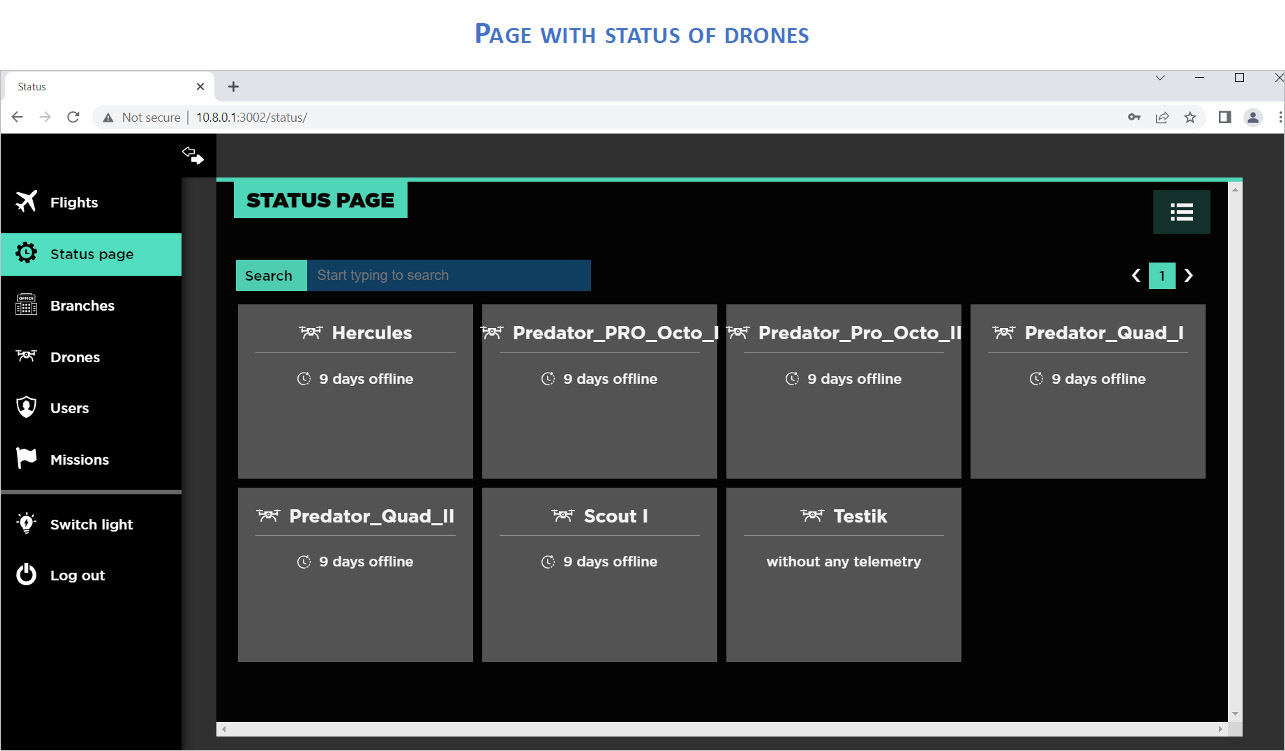
The Cloud Server stores all data from all connected UAVs and other mobile units, also stores all videos of individual drones and connected cameras, allows monitoring of individual drones in flight, or stationary or moving mobile unit and evaluate the entire situation from the stored data.
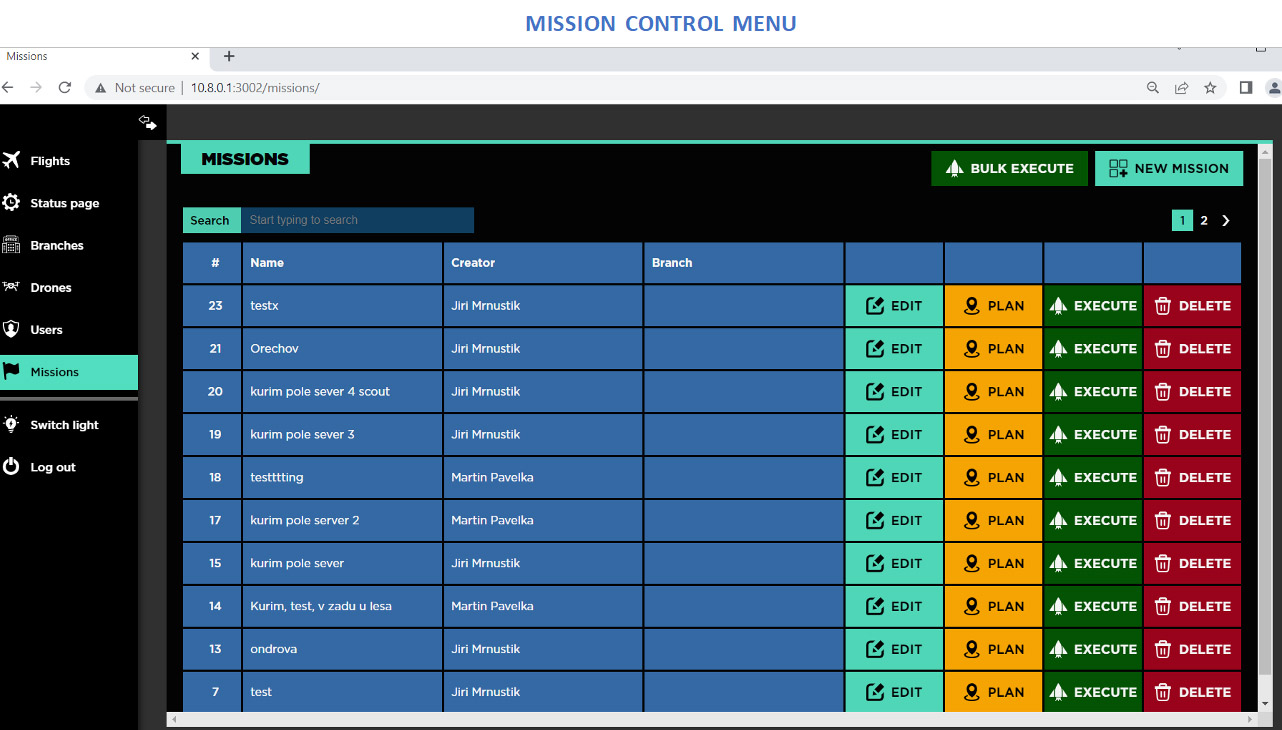
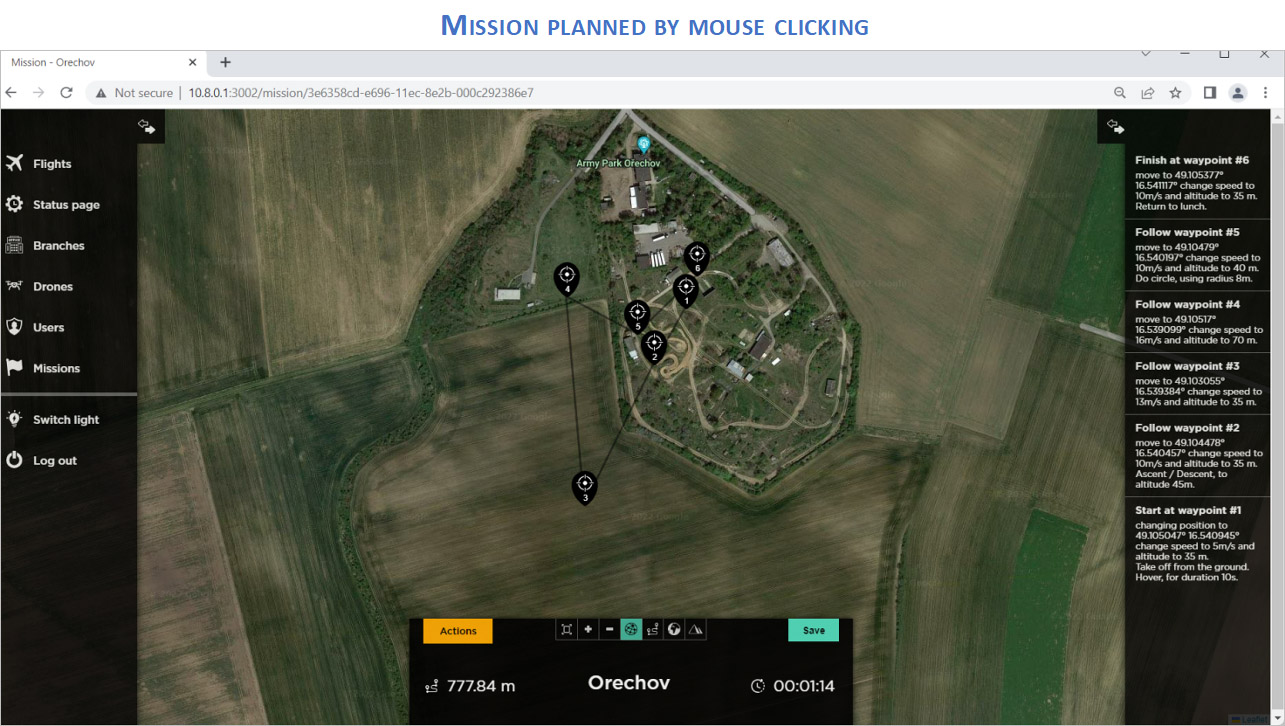
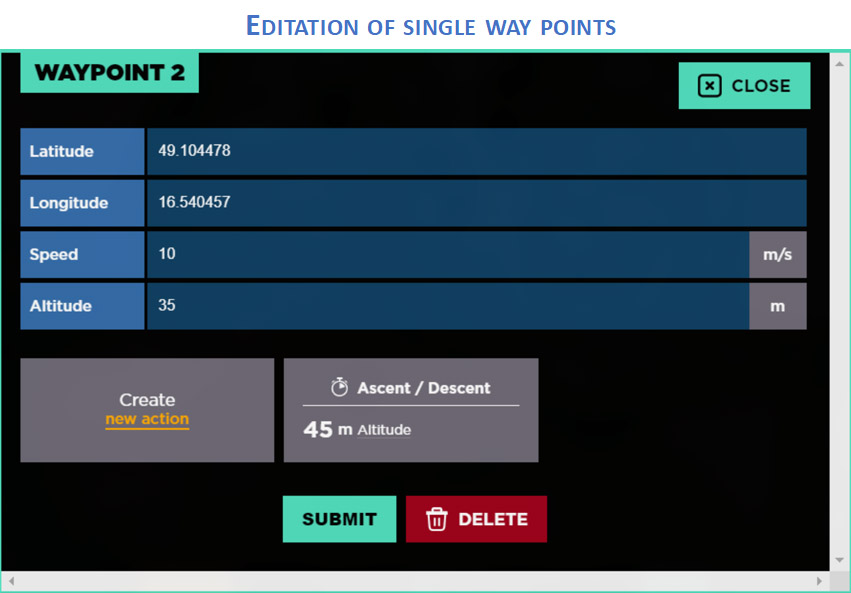
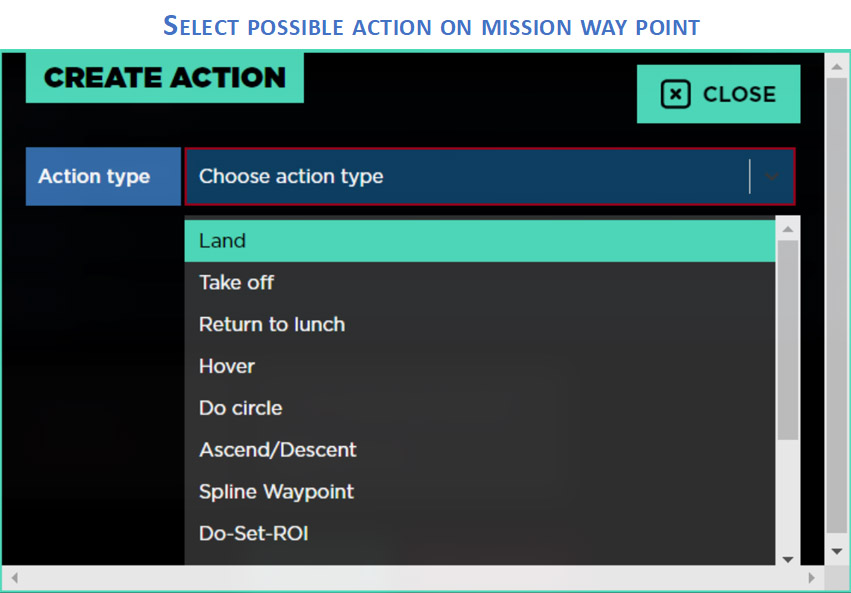
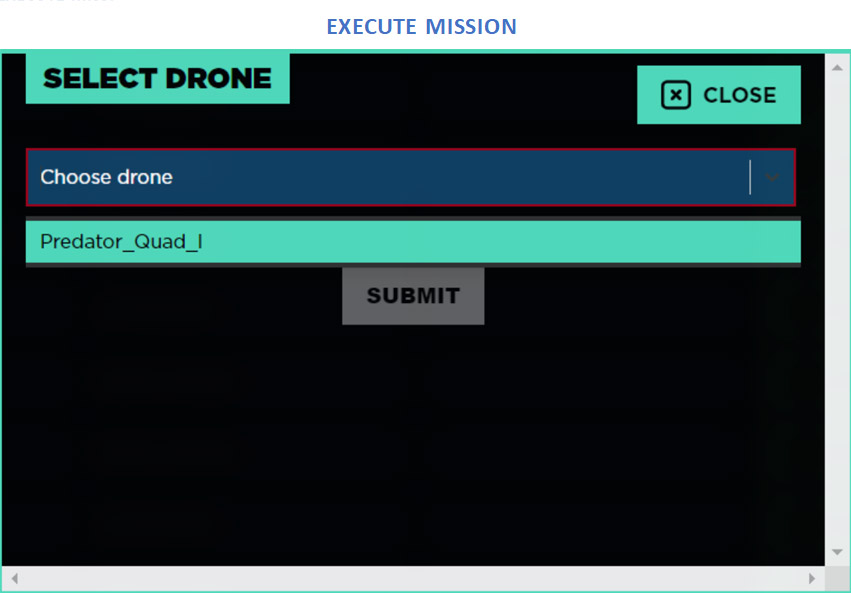
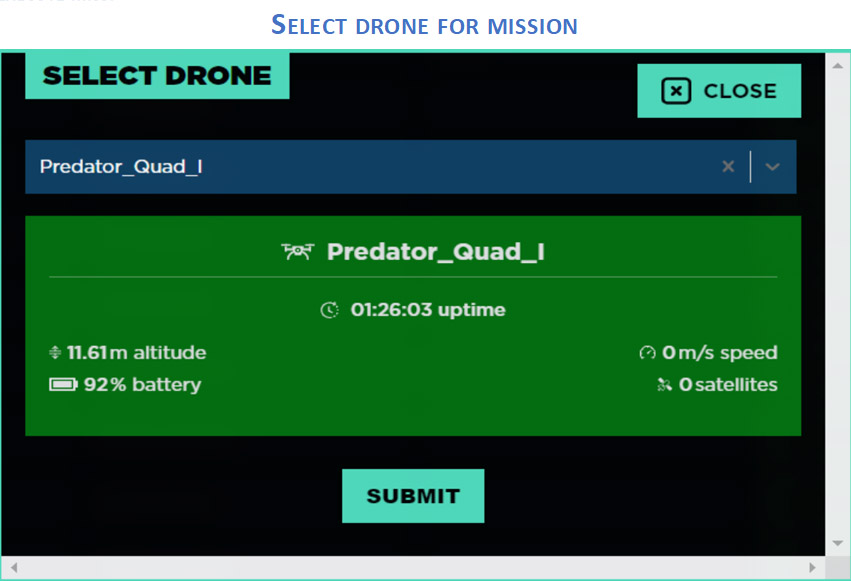
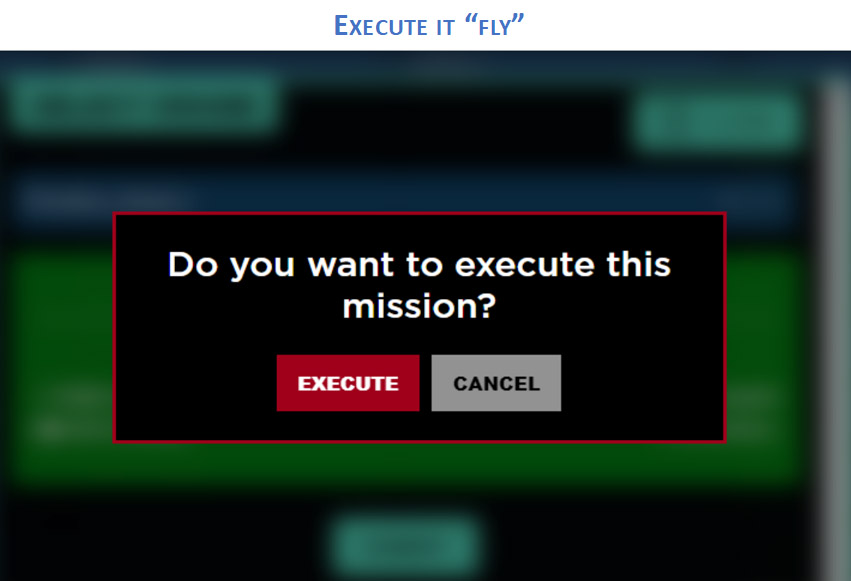
Cloud server also allows the operator to plan missions for individual drones and then launch those missions remotely.
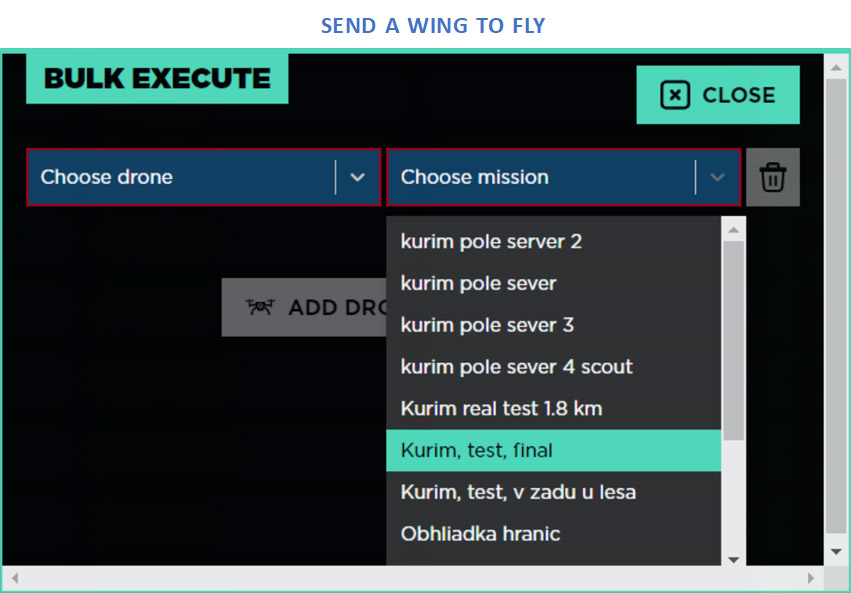
The Cloud Server also allows launching missions for an entire squadron of drones parallelly, so that once their missions are scheduled, all scheduled drones can be launched at once.
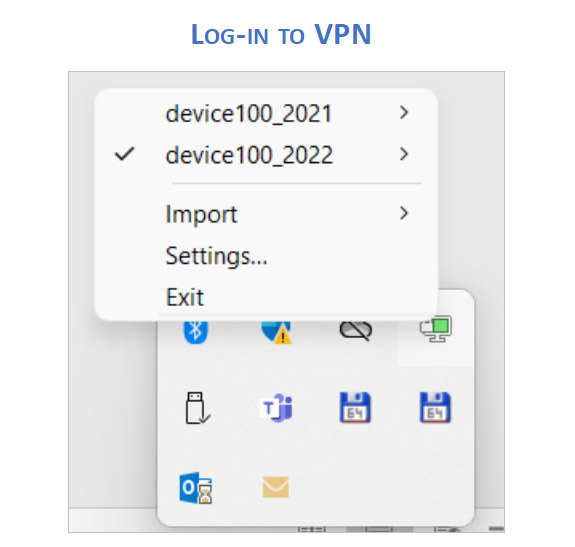
Drones and all mobile units connect to the Cloud Server using modems with SIM cards for 3G, 4G, 5G mobile phone networks. The on-board computer connects the drone (or mobile unit) using a VPN tunnel and a unique ID.
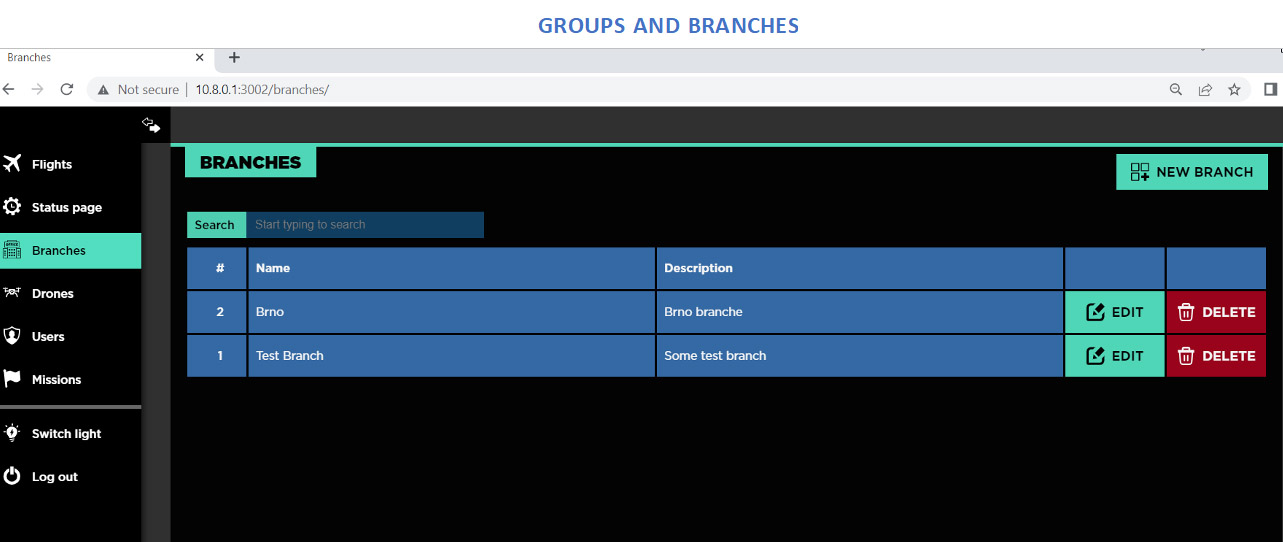
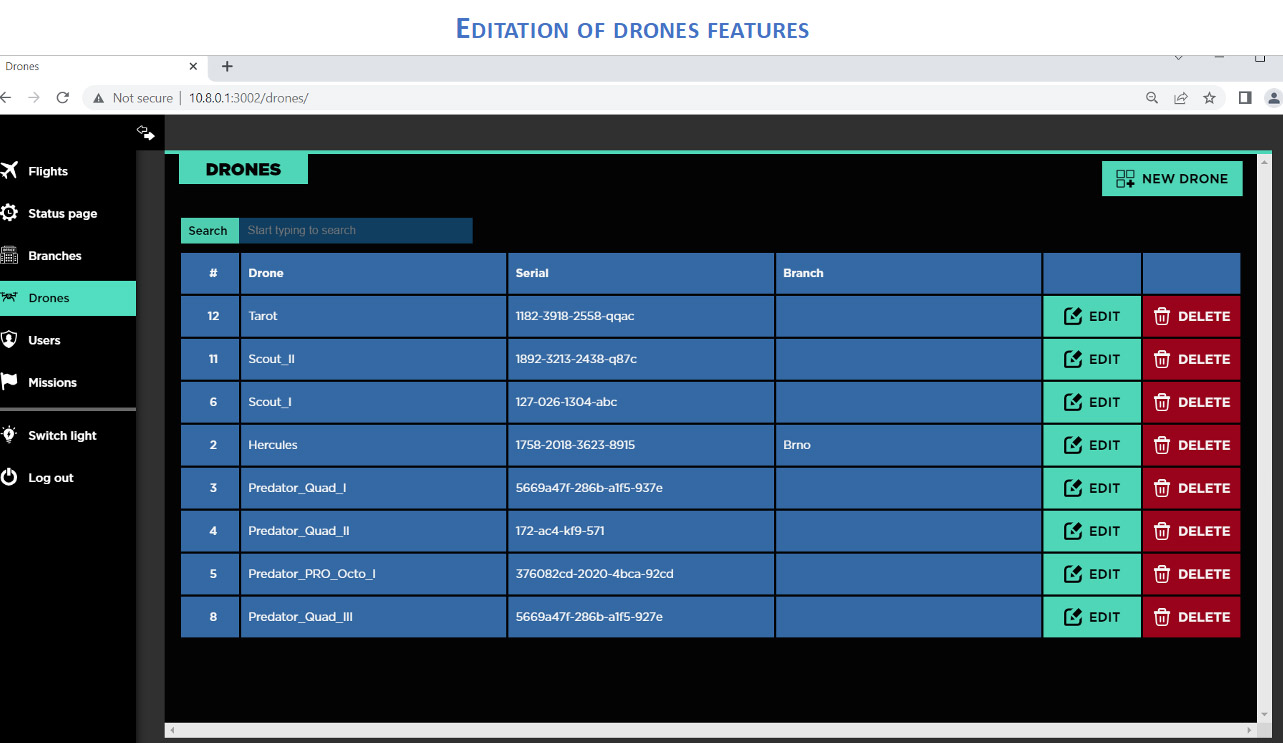
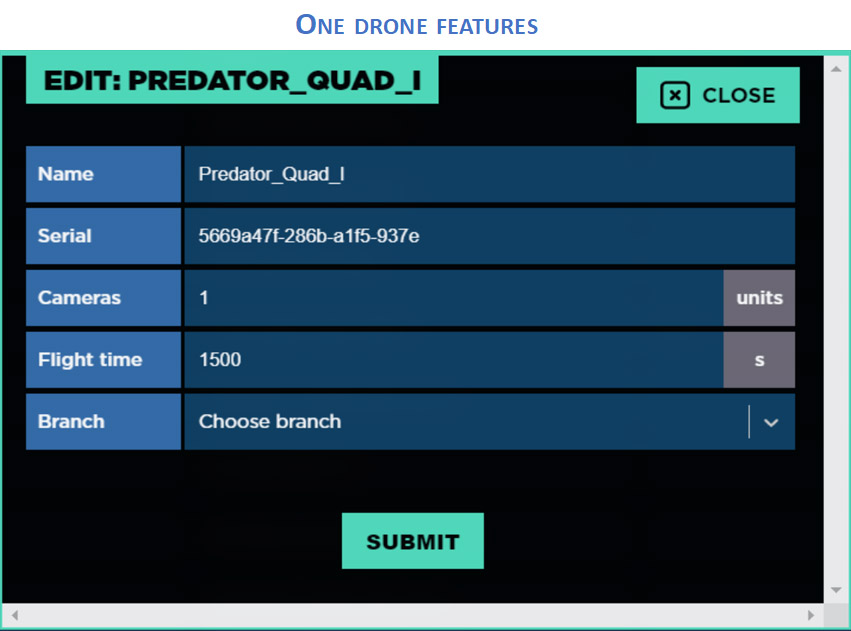
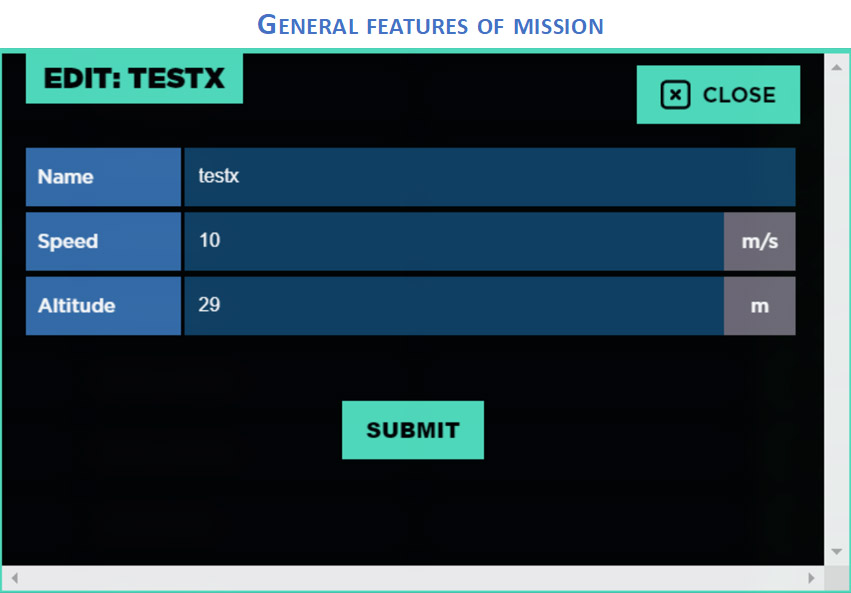
Individual drone settings such as the number of cameras, the drone’s name and the group the drone belongs to are again set in the Cloud Server. The drone ID is entered into the Cloud Server by an authorized employee. Only then can the drone be connected to the Cloud Server. The ID is intended for each drone in production and is unique.
Cloud Server Short Introduction